
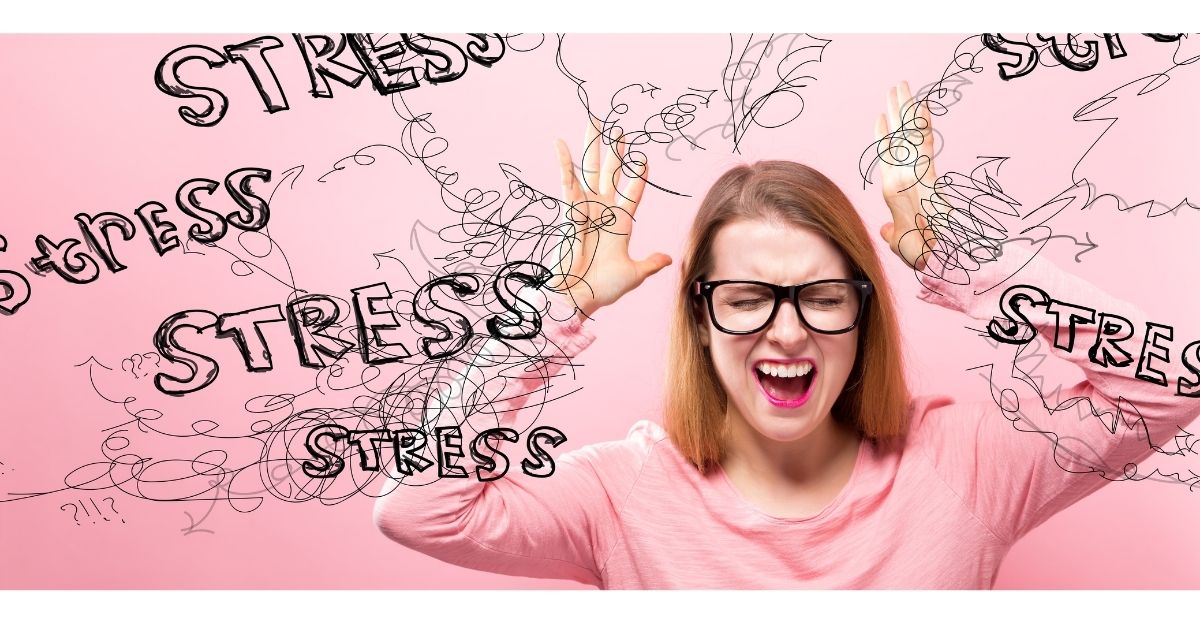
Stress and Histamine Intolerance
Find Your Calm
Histamine intolerance by nature can cause anxiety or restlessness some report symptoms so serve they feel like they are having a panic attack or even a heart attack so it is crucial to have a plan…
Histamine can cause feels of anxiety
Anxiety causes stress
Stress increases immune response hormones
Immune response triggers histamine production
And this cycle starts the spiral of symptoms
How we handle these spirals makes all the difference in your outcome.

Being able to recognize and address these feelings and symptoms is key to being able to feel in control and allowing you to stop, take a moment and disrupt the spiral before it takes over you. Now is the time to center yourself and Find Your Calm.
Ways to Find Your Calm when you Don’t Feel Calm
Incorporating these tips and steps into your life can help your body fin a better balance and reduce stress. A stressed body has difficulty healing and recovering.
- Feel: Be aware of your feelings, but don’t let the negativity become your reality. Recognize your symptoms and focus on something you find peaceful, relaxing, or joyful. Center your energy and focus. Remind yourself you are strong and focused on healing.
- Rise early: Start your day 15 minutes earlier, it allows you some free time to collect yourself, contemplate the day ahead, and stay connected to your inner self. You can use this time for deep breathing, prayer, yoga, meditation, or any other method you feel calms your soul.
- Practice nose breathing: That’s right breath through your nose. Your nose was specifically designed to help you breathe, just some of the benefits of nasal breathing:
- increases oxygen uptake and circulation
- slow down breathing
- allows the filtration of dust, allergens, etc
- humidifies and warms the air which reduces coughing
Take a short break and practice slow, mindful nasal breathing for a few minutes. At least take five authentic breaths to reclaim your sense of self and feel revitalized again before returning to your routine.
- Be kind to yourself: When we do not feel well when we are plagued with these frustrating and seemly mysterious symptoms and it starts to feel like our illness(s) are taking over our lives it is easy to feel like we are losing control, that you are losing a piece of your former self. It is easy to be angry or negative. Remind yourself you are on a path to wellness give yourself time and grace.
- Positive words: What we say has a profound impact on our feelings and the people around us. Affirming and positive words promote good mutual feelings and surround you with positive energy. Reclaim your love and energy by using positive words or a mantra.
Mantra: This is also known as an affirmation and can be practiced by repeating a sacred word or phrase, such as “aum,” or a phrase, such as “I am calm, my body is in balance, I have strength, I am love.” in order to bring your mind to a state of focused tranquility.
You can repeat the mantra or affirmation aloud or repeat it silently.
Meditation
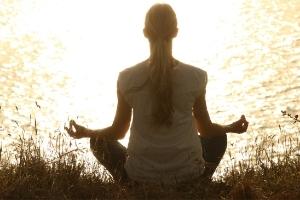
Meditation can have a very positive effect on our attitude toward life. Take some time to quiet your mind. This helps to soothe your nerves and reduce stress. When you don’t internalize stress, you are more likely to perceive good vibes from others and feel happy about life and your relationships.
You can also practice yoga, which includes good techniques for reducing tension. Meditation can help support your immune system and reduce symptoms.
Meditating techniques
Empty Mind Meditation: This meditation technique allows you to be fully aware without a specific focus. Simply sit in a peaceful place in a good posture and let your thoughts float without passing any judgment on them.
Mindful meditation: is used to control wandering thoughts. Its benefits include lower blood pressure, improved blood circulation, lower heart rate, less perspiration, slower respiratory rate, less anxiety, and reduced stress. It can also help boost energy levels when practiced as part of a regular routine. Here are a few simple ways to start meditating:
- Sit or lie as comfortably as possible and close your eyes.
- Breathe naturally; don’t try to control it.
- Now breathe by focusing your attention on it. Notice how your body moves with each inhalation and exhalation. Observe how your thorax, chest, and abdomen move during breathing. Just notice the movement without controlling the breathing process. Start doing this for 2 to 3 minutes and then increase the duration.
How to Practice Meditation for the Beginner
Meditation can be an incredible tool to help you find your calm or Zen state and stay relaxed and prepared to face the world. If you are new to meditation, then follow the below steps and tips for a successful start.
- Choose a suitable time: Meditation is meant to be a relaxing time, so try to choose a time that is convenient for you and won’t cause or experience any sort of interruptions.
- Go to a peaceful place: Choose a peaceful and quiet place to meditate so that you are able to concentrate effectively and achieve the best results.
- Sit in a comfortable posture: Your posture makes a huge difference in helping your body and mind relax; make sure to sit in a proper posture. Try to sit straight with your spine erect, keeping shoulders and neck relaxed and eyes closed during the whole process.
- Meditate on an empty stomach: The best times to meditate are before meals because it prevents you from dozing off soon after eating. Alternately, don’t meditate if you are hungry because you will not be able to fully concentrate.
- Listen to your breaths: Nasal breathing is essential for helping your body relax and getting energizing oxygen to every cell in your body.
I hope these techniques will help you start your own self-calming practice or enhance and refocus your existing one.
Wishing you health and happiness,
Felicia